On Tuesday, November 8th, Americans once again went to the voting polls. Though not presidential, this year’s elections included the entire House of Representatives, one-third of the senate, 36 governors, and over 300 candidates in general for a variety of different races including the state legislature, Secretary of State, and Attorney General.
In addition to the aforementioned races, Americans also voted on state-wide propositions. Four states included propositions regarding abortion rights, like California’s Prop One, which permanently protects women’s right to choose. Other states voted on issues regarding marijuana legalization, voter suppression, and the right to bear arms. Republicans voted to overtake the house and attempted to gain a supermajority, while Democrats fought to maintain a majority of the Senate. The voting percentages of Gen Z also tell an interesting story of what the future of American politics might look like.
Lack of a Red Wave
Before the elections, Democrats had a majority in the House with 220 congressmen and women affiliated with their party. As is common in American political culture, it is usually anticipated that the midterms will result in a Congress that has a majority of the opposite party of the President.
This year, the “red wave” was smaller than expected, with Republicans gaining a majority by a much narrower margin than anticipated. While they were expected to gain around 70 seats in the House, they only won 8.
Democratic Win in the Senate
Leading up to the elections, the Senate was tied with 50 Republican and 50 Democratic senators, broken only by Vice President Kamala Harris, giving the Democrats a majority. Thus, Democratic voters’ aim was not only to prevent the Republican party from gaining a majority in the Senate but also to gain seats in order to achieve a true majority. As of now, the Senate is 50-49, with the Democrats already having a majority and still awaiting another potential win in Georgia’s upcoming runoff election.
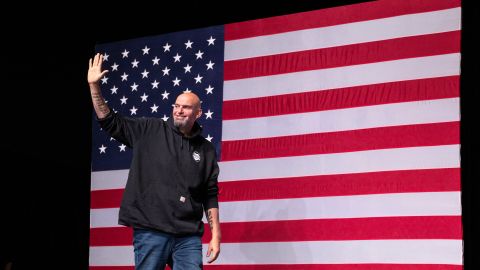
Regarded as a shocking turn of events, Democrats ended up gaining an open seat in Pennsylvania: Lieutenant Governor John Fetterman beat his opponent, Dr. Mehmet Oz, who is known for his health-related show, the Dr. Oz Show. Fetterman, who stands out as one of few politicians who wears sweatshirts to campaign rallies or speeches, battled many health issues during the campaign, including a heart attack. His win is mostly attributed to his relatability, ability to know the voters, and being considered the “lesser of two evils” by independents.
The Impact of Gen Z
Generation Z, the generation comprised of people born between the years 1996-2012, also, by and large, had an unpredicted effect on voting. They showed up to the ballot booths in masses, with exit polls showing 1 in 8 of midterm voters being under 30. Of the voters between 18-34 years old, 61% voted for Democrats. Many older Republicans were upset at this new factor in politics, with some even suggesting that the voting age should be raised to 21.
Another important note is that the first Gen Z politician was voted to Congress in Florida’s 10th congressional district: Maxwell Frost (D-FL). His progressive views leave Americans much to consider when it comes to the future of politics if he truly reflects the Gen Z politicians that America should expect to see more of.
 The Global Monitor