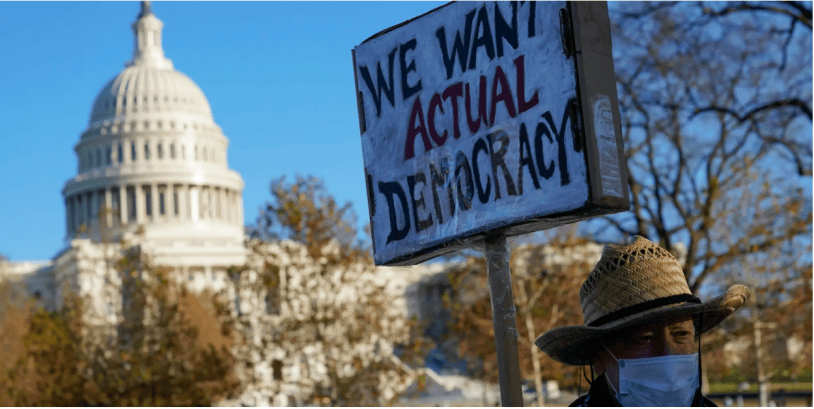
On January 19, 2022, the proposed Voting Rights Bill, also called the Freedom to Vote Act, was blocked after a debate in the Senate. All 50 Democrats supported the bill, while all 50 Republicans did not, meaning the bill did not have the 60 votes it needed to pass.
The bill contained many progressive elements that would change the functions of voting in elections. For example, it proposed making Election Day a national holiday, which would allow people to be given the day off of work to encourage higher voter turnout. It also proposed automatic voter registration, a more accessible way to vote by mail, and 15 days of early voting. All of these elements would help increase voter turnout and accessibility.
The bill also contains some references from past acts. The proposed Voting Rights Bill includes previously scrapped parts of the Voting Rights Act of 1965. The bill, like the act, includes a requirement that states with a history of discriminating against certain voters need to receive approval from the Department of Justice before passing any new voting laws. This, combined with the other elements of the bill, would serve as a safeguard against voter discrimination for certain groups of people such as Black and Latino community members.
When the bill was debated in Congress, both Republicans and Democrats took a stance. Republicans mainly contended that states have the right and duty to make voting laws to reduce voter fraud. They stated that this new bill would violate the rights of the states and would give them to the federal government. Meanwhile, the Democrats primarily argued that America needs this bill in order to ensure states cannot block people, namely minorities, from voting. Members of each party stuck by their ideals relatively tightly.
In addition to these debates over the Voting Rights Bill, tensions rose from other statements regarding the bill. One main source of tension came from comparisons made by Democrats that equated Republicans with Jim Crow supporters, to which Republicans in the Senate felt the need to defend themselves and the people they represent. The main debates and rising tensions resulted in the Democrats not receiving the 60 votes they needed to get the Voting Rights Bill passed. Furthermore, they also did not receive enough votes to override the normal rules and allow the bill to pass with only 51 votes.
While the Voting Rights Bill could have led to a more inclusive election with less blocks against voters, it was not passed after the debate in the Senate.
Written by Mika McCaffrey

