Conversion therapy, a widely discredited practice that seeks to “convert” the sexuality or gender identity of LGBT+ people, has been described by Canadian Minister Boissonnault, who advises Justin Trudeau on LGBT+ issues, as “akin to torture.” Last week, the House of Commons expressed their resounding agreement with a unanimous vote in favor of a bill that would ban conversion therapy within the country. Specifically, the bill includes provisions to ban domestic conversion therapy practice, sending a minor abroad to receive conversion therapy, and profiting from the practice or advertisement of conversion therapy through an amendment to the Canadian Criminal Code. This includes the removal of pro-conversion-therapy advertisements and content on the Internet. The consequences of breaking the proposed law include two to five years in prison depending on the offense. Now, the bill moves on to the next stage of ratification: approval from the Senate, Canada’s upper house of parliament. If passed, Canada would join the small handful of other countries that have also banned conversion therapy, including Germany and Malta.
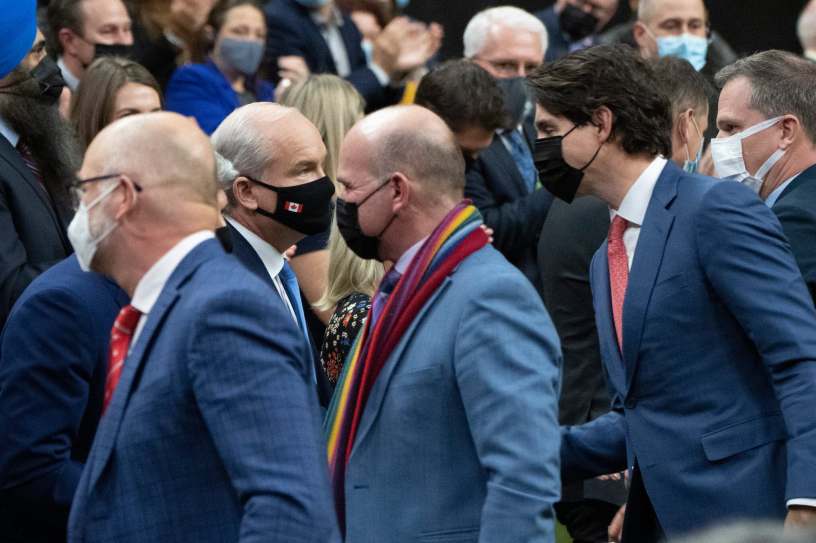
While the bill was proposed by the Liberal party, the Conservatives wholly embraced it under the party leadership of Eric O’Toole, an outspoken proponent of LGBT+ rights. Additionally, Conservative member Rob Moore then proposed a motion to fast-track the bill and send it directly to the Senate. The unanimity behind the cause shocked many members of the Liberal party, whose previous attempts to pass similar legislation against conversion therapy had been voted down. Members of both parties were emotional after the vote, crossing the aisle to shake hands and even hug their fellow parliament members.
However, the same success is not guaranteed within the Senate, which has a smaller Liberal voice and whose Conservative senators are predicted to be less inclined to agree with O’Toole’s advocacy. A previous attempt to criminalize conversion therapy was halted on the Senate floor in June earlier this year. Some Conservative members of parliament (MPs) have also raised concerns that the wording of the bill may criminalize private conversations about sexuality or gender between minors and teachers or medical professionals, though Federal Justice Minister David Lametti assures this is unfounded. Regardless, the unanimity shown between groups alone may be groundbreaking, as the two major Canadian parties have found tremendous agreement on a previously divisive issue.
If the bill can pass, it would mean a world of change for many LGBT+ people in Canada, especially minors who are historically vulnerable to its practice. Those exposed to conversion therapy often go unwillingly and are statistically more likely to be lower-income and racial minorities. Experiencing conversion therapy has not produced any evidence of altering sexuality or gender identity, but is associated with a raise in isolation, suicidal ideation, and illicit drug use. Until a final decision is made, the people of Canada can only wait to see whether the same unity occurs in the Senate as it did in the House of Commons.

