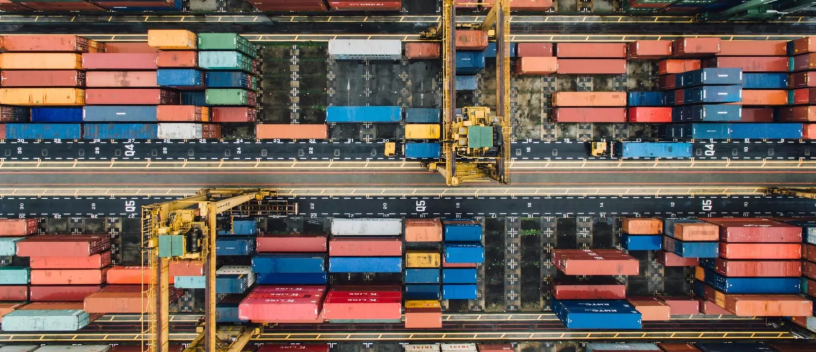
The world is suffering from massage supply chain issues, and there is no clear indication of remedies in the near future.
Supply chain systems have grown over the years to be extremely vulnerable to any small changes, creating what is known as the “butterfly effect.” Even one factory closing in Asia could cause a massive chain reaction in a particular industry, which could affect both large and small businesses as well as consumers. The chaos of the COVID-19 pandemic brought about significant supply chain disruptions. For example, if one factory worker in the United States tested positive, the entire factory could be shut down temporarily, creating problems in meeting consumer demand. Additionally, the pandemic created huge shifts in demand for certain goods: more people were interested in hygiene products, which created a boost to that industry, but as people were staying home much more often, the restaurant and retail industries saw heavy revenue losses. Over the 18 months of the pandemic, these industries adjusted to their new increased or decreased levels of demand. However, as nations around the world began to end their lockdowns, renewed demand in certain industries after a lengthy period of low demand created rapid pressure on supply chains that had not yet fully readjusted to pre-pandemic levels of consumption.
Small businesses around the world are feeling the pressure of the supply chain crisis and are calling it a “matter of survival.” One Canadian business owner, Helmi Ansari, stated that, “All our margins are gone. We’re selling product, but we’re not making any money,” and, “It’s insane. There’s absolutely no way that a small business like ours can really continue to cope with this.” Before the pandemic, Ansari was able to have espresso makers and water bottles delivered to his business by boat for around $4,500 per container. Now, however, the same delivery costs him nearly $30,000, a price that could put him out of business. Ansari also explains how the supply chain issues that are threatening his business’ livelihood could have even more adverse effects: “We have people who depend on our business to be able to put food on the table, so we need to make sure the business survives, but not having inventory would mean…we would have to lay staff off.” Ansari’s story is just one of many small business owners who are experiencing firsthand the complications of current global supply chain problems. His struggle to maintain his business illustrates how interconnected the global economic system is and how small supply chain failures in one part of the world can impact someone in a completely different industry and region.
Experts are unsure of the extent to which supply chain issues will affect the global economic recovery. COVID-19 revealed the fragility of the world’s economic network, and as people begin to return to their past consumption habits and more orders are placed on an already strained system, economists are worried that the system could end up collapsing again. According to Drewry, a maritime research firm, the global container shortage could last until Quarter 4 of 2022. Additionally, clogged ports (like Los Angeles and Long Beach) have caused order backlogs which in turn have created significant gaps in invoice flows and order volumes. The International Monetary Fund has even reduced its prediction for US economic growth to 1% from 6% due to supply chain issues and fluctuations in consumption.
Looking to the upcoming holiday season, companies are bracing themselves for a difficult time meeting demand for their products. For example, large retailers are reserving all methods of transportation they possibly can (trains, planes, and boats), though experts warn that more items will be out-of-stock or overstocked. Consumers should also prepare for prices of almost all items to be higher, from children’s toys to new and used cars. Shoppers are urged to start shopping as early as possible in order to avoid possible delays, and experts suggest they visit their local retailers instead of ordering items online as many physical stores have a wide assortment of inventory.
 The Global Monitor