The Summit
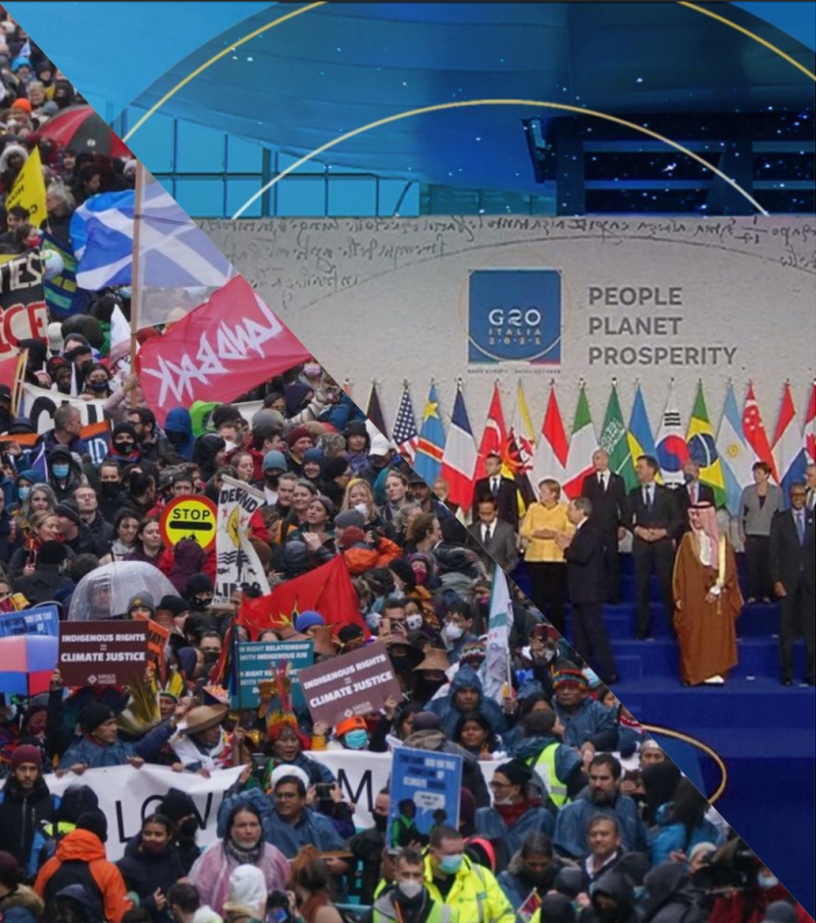
At the COP26 Summit in Glasgow, Scotland, world leaders discussed approaching climate change in an effort to curb global emissions before a dangerous level of warming takes place. However, many countries did not end up committing to any proposals drastic enough to make an effect before more deadly climate-induced natural disasters inevitably take place. Experts remain hopeful, stating that if countries fully commit to the agreements made at the Summit, then there is a possibility to reduce emissions enough to halt these disasters.
There was a noticeable divide between richer and poorer countries, as poorer countries are more frequently affected by climate change-related disasters and face more difficult barriers in responding to them. The developing countries argued that while they are suffering the most from climate change, wealthy countries produce the majority of emissions.
Some notable agreements include more than 100 countries vowing to reduce their methane emissions by 30% by 2030, and another group of heavily-forested countries, including Russia and Brazil, pledged to end deforestation in their nations by 2030. The United States and China also announced that they would collaborate in an effort to reduce their greenhouse gas emissions as the two greatest emitters in the world. Additionally, Xi Jinping, President of the People’s Republic of China, and Vladimir Putin, President of Russia, both did not attend the Summit, signaling their lack of support for climate change prevention efforts. Environmental activists and even American President Joe Biden expressed their disappointment in the two leaders, especially since they lead some of the largest emitters in the world.
Taken together, while the agreements are not enough to limit global warming to 1.5ºC as previously agreed to at the Paris Climate talks in 2015, they are enough to limit warming to 1.8ºC, providing countries follow through on their commitments. Additionally, countries did not agree on accelerating their climate planning or for richer countries to provide compensation to developing countries for climate-related damages.
Protests
In Glasgow and around the world, people took to the streets in protests, demanding that the global leaders at the COP26 summit take action that is adequate enough to fully address the worsening effects of climate change. The protests represent how the battle against climate change has become an international cause for citizens from all countries who are discontented at the seemingly feeble effort that has been made by legislators as of yet.
Demonstrators were participating in the protests for many different reasons: some have personally felt the effects of climate change, others are worried about their family’s future or have just a general concern of what is to come. Greta Thunberg, world-renowned youth climate activist, was in Glasgow and said that the Summit was a “failure” to a large group of young people who were participating in the protests as well.
The overwhelming sense of disappointment surrounding the COP26 Summit by both participating world leaders, whose calls to more drastic measures went largely unnoticed, and global citizens, frustrated with their leaders’ lack of substantial action, depicts how climate change has become one of the most pressing issues of the 21st Century, and as more people become aware of climate change, it is only bound to become even more widely deliberated.
 The Global Monitor