According to the US government, this month has seen the largest deployment in seven years of Russian land forces towards the Ukrainian border with 4,000 Russian troops stationed. Seemingly as if to make a statement, Russia has been bringing in armored vehicles to the border with Ukraine in broad daylight. Russian policy analysts are unsure what the recent increase in military movement signifies. Overseas, it could be to see what the Biden administration will do about Russian military movement. Within Eastern Europe, it could be motivated by Ukraine’s recent cutting off of Russian influence in Kyiv politics. Within Russia, this could all be a diversion from the recent imprisonment of Aleksei A. Nalvany, a major critic of President Vladimir Putin.
A more unsavory explanation could be that Russia is gearing up in anticipation of actual fighting between it and Ukraine. If so, this would not be a recent development. Since 2015, there have been minor skirmishes between Russian-backed individuals and the Ukrainian army at the border, but nothing to suggest real war. Unfortunately, these skirmishes have escalated since March, causing the death of nine Ukrainian soldiers.
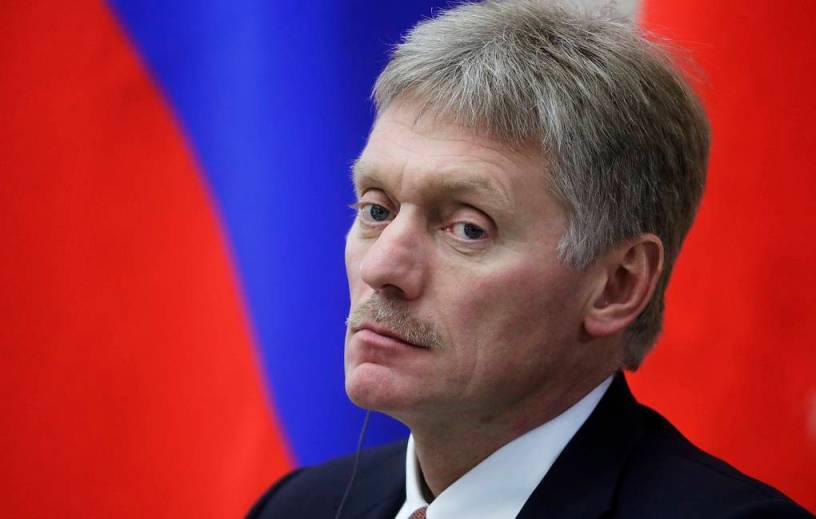
An even more alarming event, the Kremlin has begun to speak of the possibility of war openly. Despite no signs of violence advancing to such a concerning degree in Ukraine, a Kremlin spokesman, Dmitri S. Peskov, draws parallels between potential ethnic cleansing of Russian speakers by the Ukrainian government and massacres in the 1990s Balkan wars. Specifically, he references the Srebrenica massacre for Russia’s motivation to interfere with Ukraine. This is an inaccurate reference, because Srebrenica was a city in Bosnia-Herzegovina that faced a Muslim-targeted massacre from the Bosnian Serb army despite the United Nations declaring it a safe zone in 1995. The border between Ukraine and Russia does not bear similarity to that situation because the bordering villages are essentially similar in ethnic and linguistic composition, both comprising similar ratios of Russian and Ukrainian speakers.
However, Peskov persists in drawing similarities. In an attempt to clarify what he meant by referencing Srebrenica, Peskov says that it is “on the basis of the uncontrolled actions of the Armed Forces of Ukraine, on the basis of the dominance of nationalist sentiments, incitement to hatred of the population of the self-proclaimed republics, which is fraught with a repetition of such actions as we said.” Another Russian official, Dmitri Kozak, has explained Russia’s recent movements as actions to protect people with dual Ukrainian and Russian citizenship. In general, Russian officials have been deliberate in explaining that Ukraine is the initiator in the conflict, not Russia.
Ukraine, for the most part, has been trying to put out an unbothered face. The Ukrainian president, Volodymyr Zelensky, visited the front this week. But Peskov reminds the world that “the situation on the contact line in Ukraine is extremely unstable. The dynamics of the development of the situation and the behavior of the Ukrainian side create the danger of a resumption of full-scale hostilities…In the event of the outbreak of hostilities and the potential repetition of a human catastrophe there, similar to Srebrenica, no country in the world will stand aside, and all countries, including Russia, will take measures to prevent such tragedies from happening again. I repeat once again that all countries of the world and European countries will oppose this in every possible way in the event of a repetition of Srebrenica. On the basis of avoiding mass loss of life.”
 The Global Monitor